

Outstanding Directors Exchange
100+
US Public Board Director Attendees
40+
Expert Speakers
150+
US Public Boards Represented














Public corporate boards are navigating an era of heightened governance challenges. The evolving dynamics of executive succession planning remain critical as leadership turnover accelerates. Meanwhile, the initial buzz around AI has matured into a deeper focus on practical applications and oversight. At the same time, the resurgence of investor activism and its influence on long-term value protection continues to push boards toward proactive defensive strategies. ESG-related pressure, both for and against, are intensifying, adding complexity to decision-making under the policies of the current administration. Additionally, new regulatory developments and tax reforms are reshaping supply chain strategies and organizational priorities in unforeseen ways.
In this fast-moving landscape, how can directors lead with clarity and strengthen collaboration between management and the board? What innovative approaches will enable boards to navigate the rapidly evolving M&A and private equity landscape as consolidation accelerates?
Join esteemed board directors to address today’s most pressing governance challenges and exchange strategies for building agile, future-ready boards.
This exclusive event is open to sitting public US board directors only and qualifies for CPE accreditation.
Why Attend

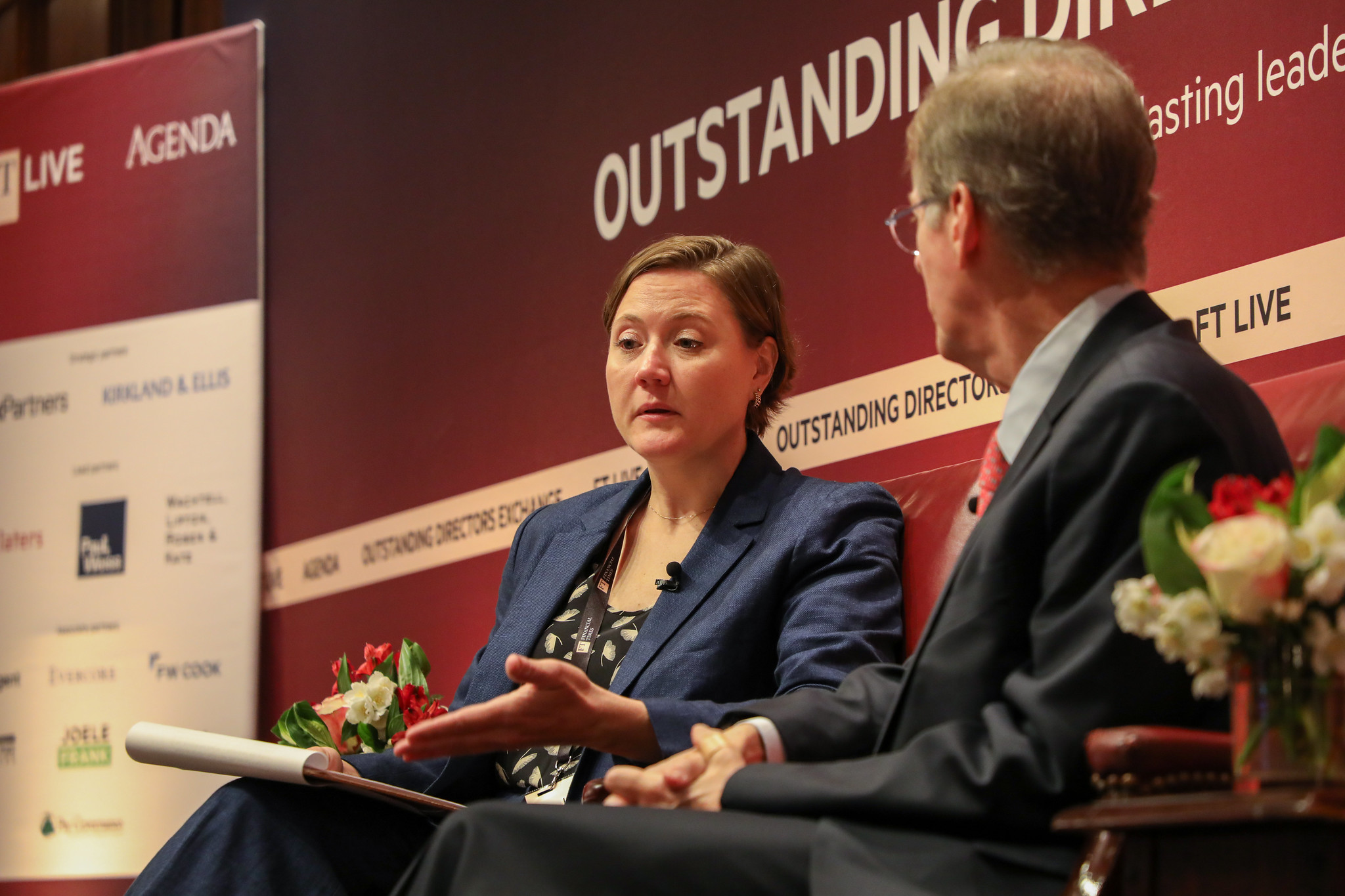
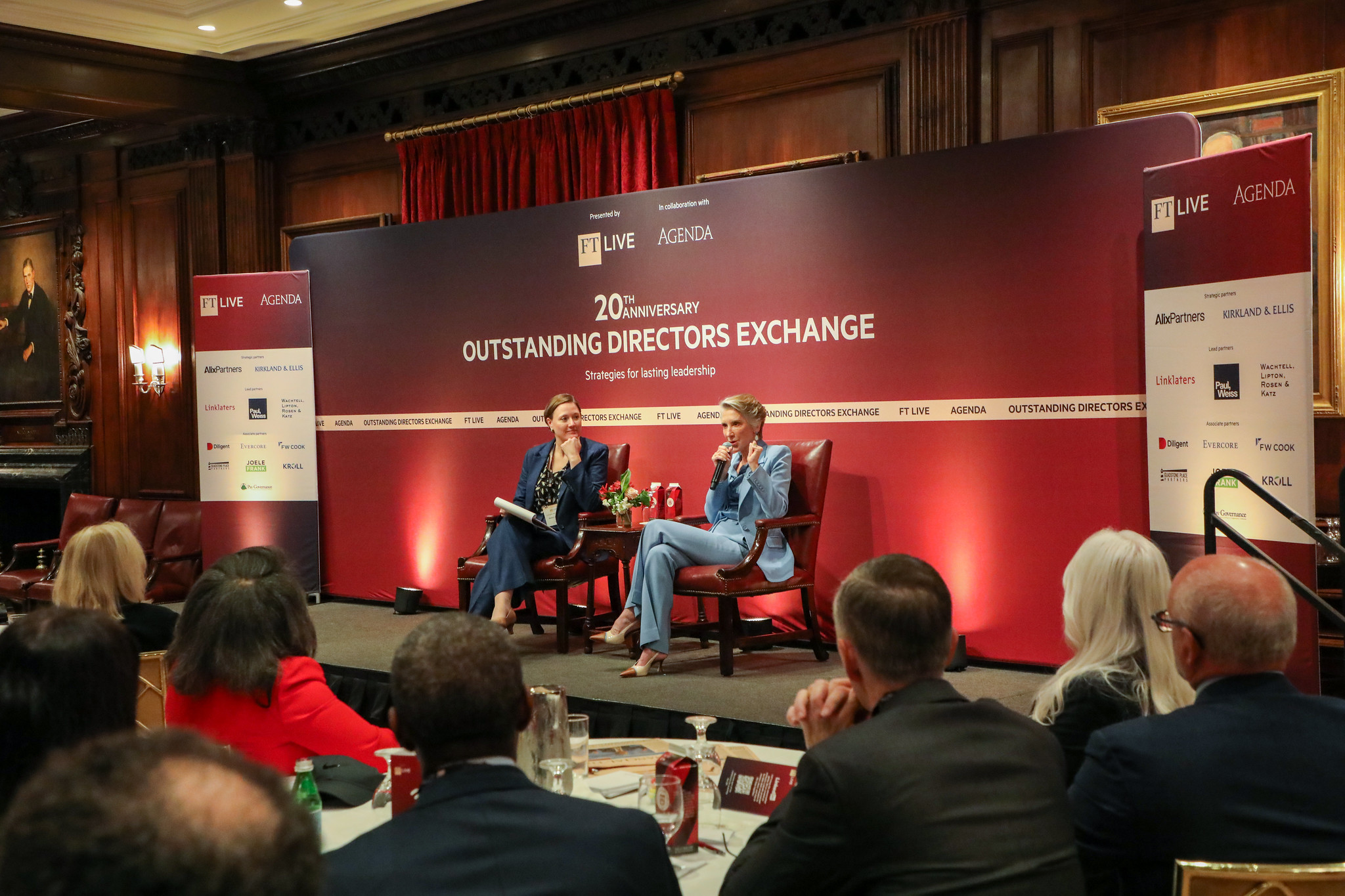
Meaningful discussion
The program is created by premier publications and directors exchange insights in a confidential setting

Rich networking
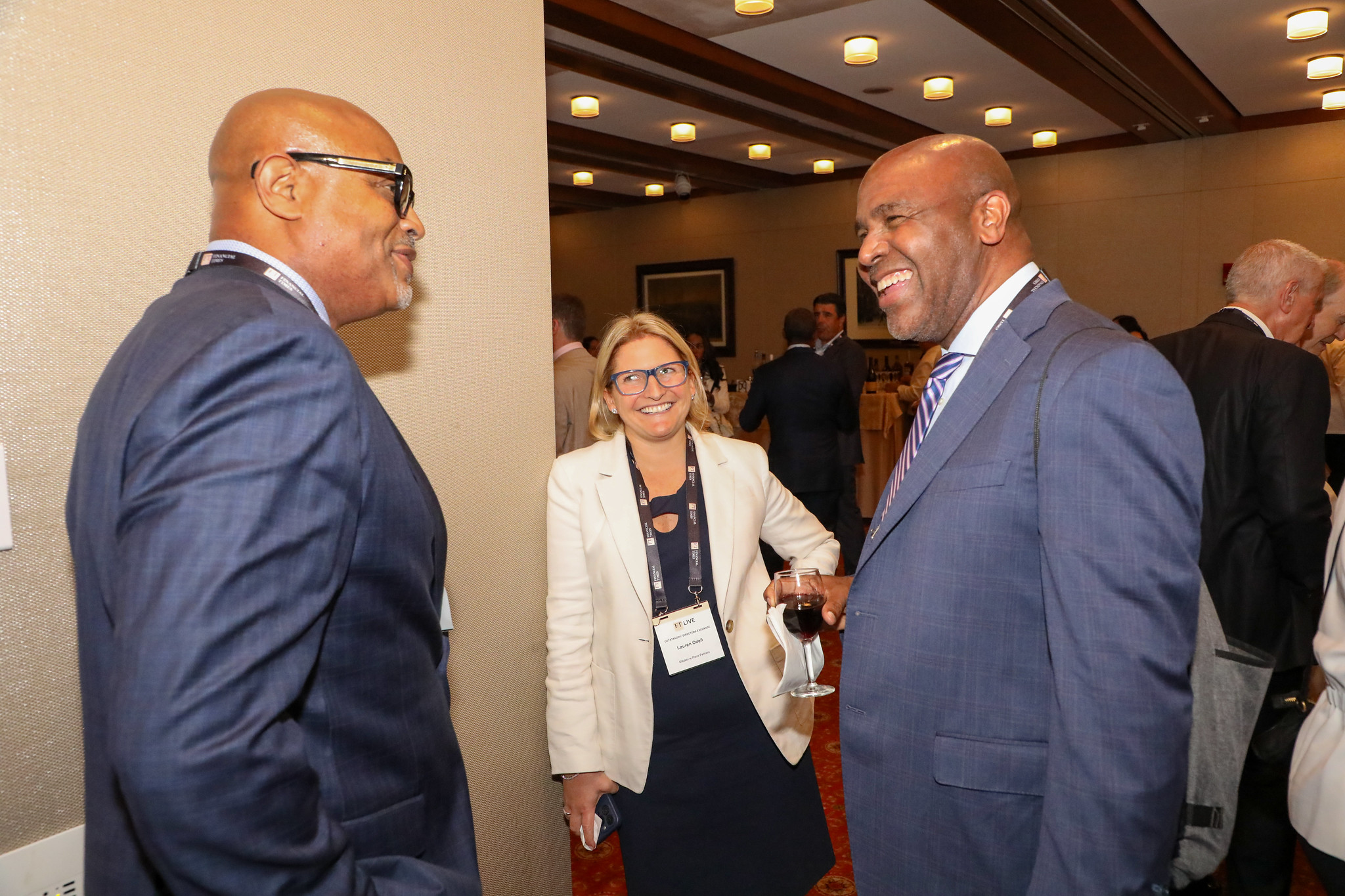
Attendees connect with US public board members from a variety of companies and industries

Prominent speakers
Speakers are chosen for their extensive experience and knowledge of key topics
Supporting Partners


Accreditation - Continuing Professional Development
By attending The Outstanding Directors Exchange you will be accredited with 11 hours of continuing professional development.
Delegates will be sent their certificate of attendance after the event.
Our event content has clear learning outcomes, appropriate materials and suitably qualified presenters and tutors.
1. Evaluate the board's statutory and fiduciary duties to shareholders, employees, customers and wider society, and prioritise competing obligations amid heightened regulatory, political and stakeholder scrutiny.
2. Analyse how consumer trust, conduct risk and regulatory intervention are reshaping board accountability, and apply appropriate governance and oversight frameworks to culture, incentives and decision-making.
3. Apply board-level judgement to complex, real-world scenarios, including crisis management, shareholder activism, M&A and executive succession, drawing on peer insights and recognised best practice.
4. Assess the impact of leadership effectiveness, board composition and succession planning on long-term organisational performance, resilience and strategic execution.
5. Interpret macroeconomic, geopolitical and technological developments, including AI adoption, private capital growth and regulatory divergence, and translate them into actionable risk oversight and strategic opportunities at board level.
Who will you meet?
This in-person event is exclusively for sitting US public board directors, offering a unique platform to engage with corporate governance leaders and debate the latest challenges and strategies. Click below to see which boards were represented in 2026.
Speaking Opportunities
Soizic Fauvelle
soizic.fauvelle@ft.com
Sponsorship Opportunities
Laurence James
laurence.james@ft.com
Delegate Services
Elissa Peterson
ElissaPeterson@theODX.com
Agenda is a trusted Financial Times news service for U.S. public board directors. Twice a week, our journalists deliver independent analysis on how other boards are handling topics like risk management, compensation, and corporate governance. Our thousands of readers bring our articles to their meetings to guide their board discussions and rely on our webcasts to fulfil director education requirements.
Start a free trial today and Bring More to the Table: agendanews.com/trial

© Financial Times Live
FT Live and its journalism are subject to a self-regulation regime under the FT Editorial Code of Practice


